

how to light charcoal without lighter fluid
Barbecue FAQ is reader-supported. If you decide to buy through a link on this page, we may earn an affiliate commission. Learn more
How to Light Charcoal Without Lighter Fluid: Quick and Easy
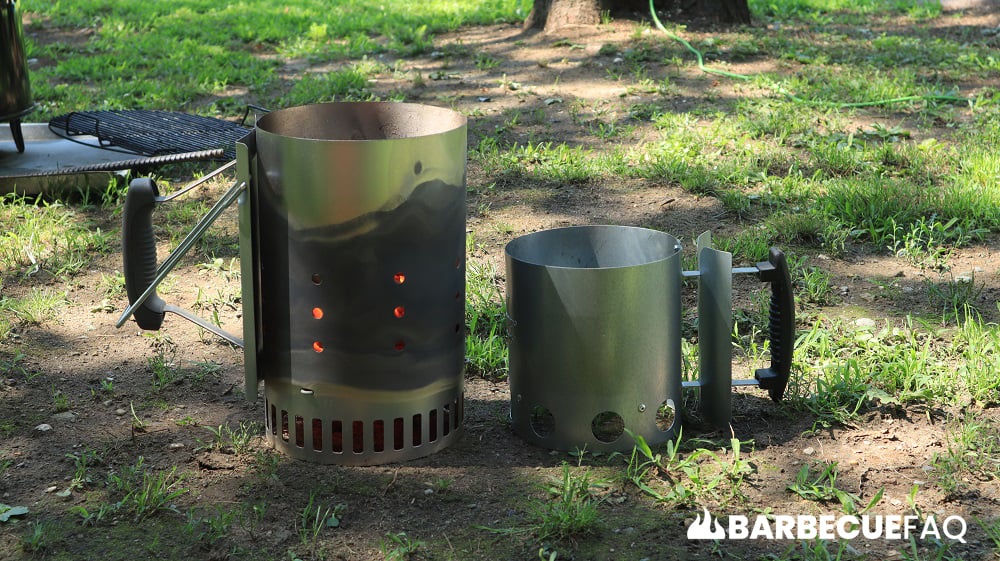
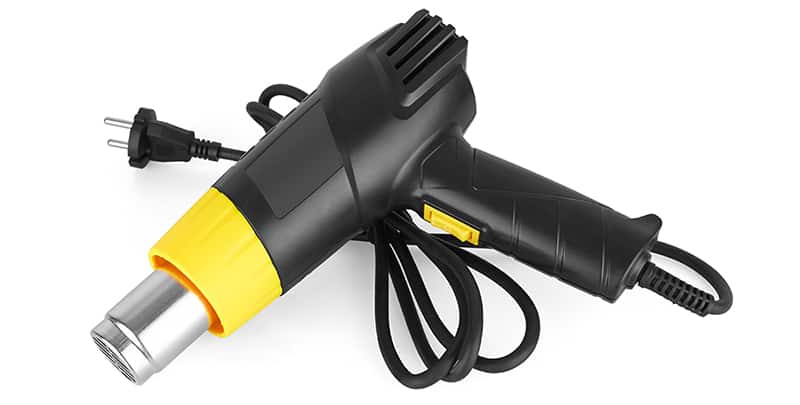
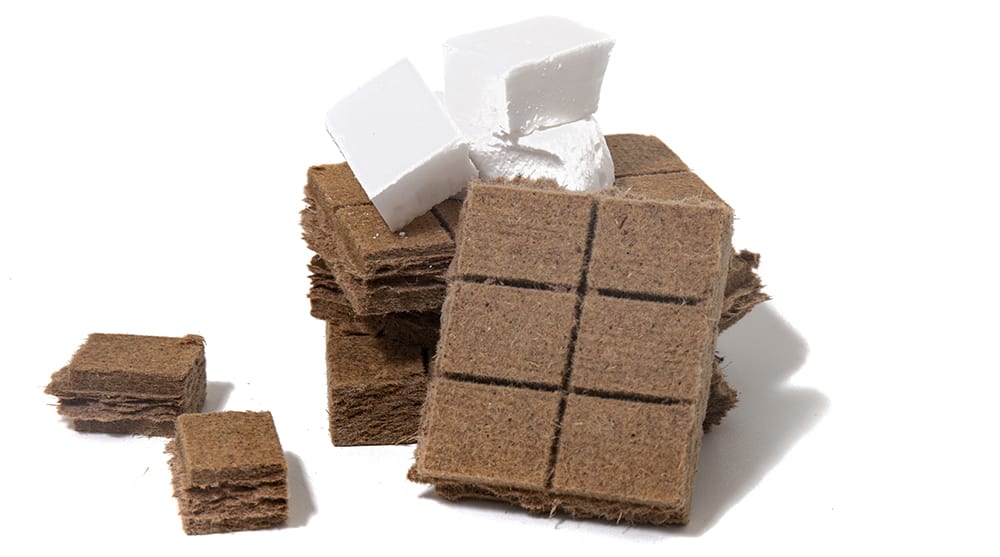
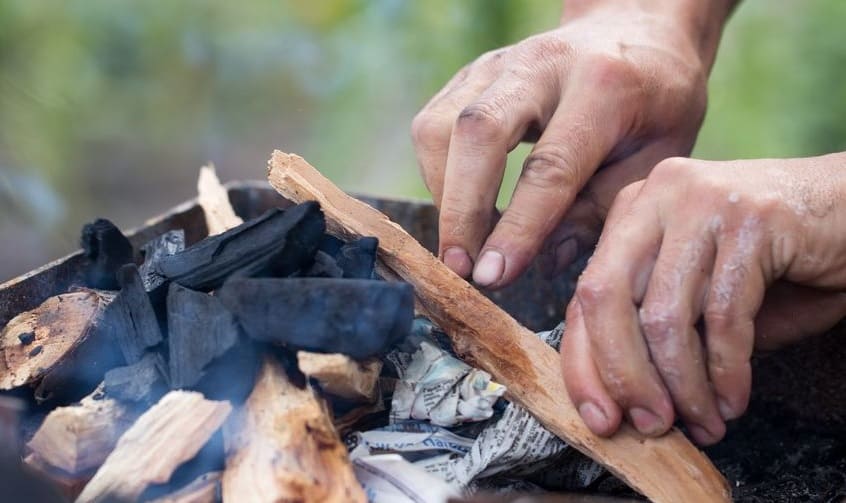
Lighter fluid is an accelerant used to light charcoal. It is either petroleum or alcohol based and is even sometimes used as an additive in briquettes. While it can make starting a charcoal grill faster, it's a controversial topic. The general consensus in the BBQ community is to avoid it because it can result in a taste/odor taint. Let's take a look at ways to start a charcoal grill without lighter fluid. A charcoal chimney is one of the most popular methods for lighting charcoal. If you aren't familiar with a chimney starter, it's essentially a metal ventilated tube that holds lump charcoal or briquettes. Paper or firelighter is placed below the chimney which ignites the charcoal from the bottom. The heat then rises through the chimney and continues to suck air through the bottom. Oxygen feeds the fire and lights the charcoal. Step 1 - Start by creating 3-5 paper "rings" of newspaper. First roll the paper and then create a circular ring. Place the rings at the bottom of the chimney. Avoid packing it too tight as it can restrict air-flow. Note: If you have a firelighter like a tumbleweed, paraffin wax, compressed cardboard, use that instead. They're engineered to light charcoal fires and work very well. Step 2 - Fill up the chimney with charcoal, but don't over-fill. The amount of charcoal you use is based on how long you need to cook/smoke for. Larger cuts of meat obviously require more charcoal. Step 3 - As the charcoal lights, it will start to smoke. The smoke will eventually taper off. This happens because of the moisture. Step 4 - Once the coals are grey/ashed on top and the charcoal is visibility "hot" you can pour your coals into the grill and arrange them accordingly. Pros: Cons: While heat guns aren't specifically engineered for lighting charcoal, they are relatively inexpensive and accomplish the goal quite well. Most heat guns are rated somewhere between 1500 - 1800W. Depending on the model, the aforementioned wattage range translates to roughly 750 -1000+ degrees F. However, there are "heat guns" engineered for barbecue, like the Looftlighter. It's essentially a combination heater/blower that works by forcing super-heated air (1250 degrees F) at the charcoal. While the Looftlighter is made for barbecue, it's also costs 2-3x more than a heat gun. Granted, the longer handle definitely makes it safer to use. Both require close proximity to an electrical outlet. Step 1 - Start by plugging the heat gun or Looftlighter in. Step 2 - Direct the tip of the heat gun or Looftlighter at the base of the charcoal. Step 3 - As the charcoal starts to glow, pull the heater away from the charcoal about an inch. Hold the heater in this position for 60 seconds and work your way around the charcoal. Step 4 - After lighting enough base/surrounding coals, the charcoal will self-ignite and you can turn the heater off. Pros: Cons: While a heat gun or looftlighter are a bit expensive, they're also virtually fail-proof. As long as you have an outlet to plug it into, you're set. It's one of the fastest ways to light charcoal. An electric charcoal starter is a device that features a long, looped metal coil and a heat-resistant body. The tool resembles an electric stove's heating element but in a "U" shape. While it's not as fancy as a heat gun or Looftlighter, it's an effective tool to get a charcoal fire started. Step 1 - Mound your charcoal on top of the coil at the base of the grill. Step 2 - Plug in the electric starter. Step 3 - Once the coals are glowing, you can remove the coil. It will take roughly 20 minutes for the coals to ash over. An electric charcoal starter is another sure-fire way to ignite charcoal. However that fire is also limited to how big the heating element is. It's typically best suited for smaller cooks. Pros: Cons: Paraffin wax is used in a variety of firelighter applications. It can come as a paraffin wax cube or as a coating on wood chips or compressed cardboard. Paraffin wax can work great in combination with a charcoal chimney. It also won't leave behind ash like paper does. Paraffin wax is non-toxic and odorless. It's fast lighting, smokeless, and environmentally friendly. Step 1 - If you own a charcoal chimney, you can place the paraffin wax at the bottom of the chimney. If you don't own one, you can place it under the charcoal. Step 2 - Light the firelighter/cube. Pros: Cons: If all else fails, most people have access to newspaper, dry twigs or kindling, and charcoal. However, this method isn't always consistent. Step 1 - Start by crumpling up 4-5 pages of newspaper and build a small pile in the middle of the grill. Step 2 - Next, add kindling to the newspaper. The kindling needs to be small, dry pieces of wood. Something like twigs works great. Step 3 - Place your charcoal over the starter and light the newspaper along the perimeter. Step 4 - As the charcoal starts to light and ash over, move the unlit pieces around so they can light too. Pros: Cons: If you're someone who regularly grills/barbecues, i'd strongly suggest buying a charcoal chimney. They're super affordable and make the process much easier. They can also double as a measuring tool for the amount of charcoal to use based on the meat being smoked/cooked. How to Start a Charcoal Grill Without Lighter Fluid
Using a Charcoal Chimney
Using a Heat Gun/Looftlighter
Using an Electric Charcoal Starter
Paraffin Wax
Using Kindling/Paper
Final Thoughts
how to light charcoal without lighter fluid
Source: https://barbecuefaq.com/how-to-light-charcoal-without-lighter-fluid/
Posted by: jacksonrefereall.blogspot.com
0 Response to "how to light charcoal without lighter fluid"
Post a Comment